Picking a Custom Driveline Store: Evaluation, Balance, Custom U Bolts, and Repair Factors To Consider for Work Trucks
Business Name: Anderson Brothers Truck & Equipment
Address: 2640 State Hwy 99 N #1, Eugene, OR 97402
Phone: (541) 688-8686
Anderson Brothers Truck & Equipment
Anderson Brothers Truck & Equipment is a long-established truck parts and repair company located in Eugene, Oregon. Founded in 1949, the business has served the region for more than 70 years, building a reputation as a reliable source for heavy-duty truck parts, custom fabrication, and equipment repair. The company works with commercial vehicle owners, fleets, and equipment operators who need dependable parts and services to keep their trucks operating safely and efficiently.
A core focus of Anderson Brothers is providing specialized services for heavy-duty trucks and equipment. Their shop offers custom driveline fabrication and repair, helping customers build, rebuild, or balance drivelines for a wide range of applications. They also specialize in custom U-bolt bending and fabrication, producing precisely sized components for trucks and other heavy equipment. In addition, the company sells both new and used truck parts, stocking a large inventory and offering local delivery in the Eugene and Springfield areas.
Beyond parts sales, Anderson Brothers provides repair and maintenance services for truck components such as transmissions, differentials, and related systems. Their experienced team focuses on delivering practical, cost-effective solutions that help keep trucks and equipment running reliably. With decades of experience and a commitment to local service, Anderson Brothers Truck & Equipment continues to support the trucking and transportation industries throughout Eugene and surrounding communities.
2640 State Hwy 99 N #1, Eugene, OR 97402
Business Hours
Work trucks earn their keep under load, not on stands. When vibration starts sneaking in at 45 to 55 mph, when a center provider groans on takeoff, or a yoke slings grease and dust like confetti, efficiency falls off a cliff. A great driveline store keeps your iron moving. The distinction in between a capable store and a careless one is the difference in between a week of callbacks and a year of peaceful miles. If you spec and service fleets, or you run a single-ton dump that has to start every cold morning in January, you appreciate who touches your driveline.
This guide concentrates on inspection, balance, Custom U Bolts, and repair decisions with the truths of work trucks in mind. The information matter. Drivelines reside in a geometry issue that alters with every load, every suspension tweak, and every used bushing. The right store understands that and behaves accordingly.
What quality looks like in a driveline shop
The best driveline clothing are part factory, part diagnostic laboratory. They determine twice, file angles, and ask questions about how the truck actually works. A reputable shop is neat where it counts. Their balancers are tidy and kept, their V-blocks are true, and you can see old shafts tagged by customer and condition. You will see yoke protectors on ended up pieces, labels on tubing sizes, and a rack of weld yokes and slip stubs that cover the common service classes from light-duty half tons to Class 7 and 8.
Staff is the most significant inform. If the counter individual asks for running angles and wheelbase rather than just a VIN, you remain in good hands. If a tech walks the truck with you, takes a look at axle wrap proof on the springs, and notes a dinged up tube half-hidden by an exhaust heat shield, better still. I rely on shops that can explain why a double cardan was chosen for a raised service body F-350, and why a long single-piece may be the better path for a Class 6 box truck with a low ride height and a long wheelbase. There are compromises, and they will state them out loud.
The stakes for work trucks
A buzzing driveline is more than a comfort issue. Vibration chews through u-joints and pinion seals, loosens up fasteners, and tiredness tubes. On multi-piece drivelines, a stopping working center support bearing can turn a basic service go to into a crossmember and flooring repair if it lets go at speed. Downtime expenses quickly accumulate: one day off a task for a bucket truck or a dump can cost numerous thousand dollars between lost billable hours and rescheduling. Invest a bit more in advance on a shop that inspects correctly, and you buy back quiet, safe miles and less roadside headaches.
Inspection that surpasses the bench
You can diagnose quite a bit before you ever pull the shaft. First, a roadway test informs the speed at which the vibration appears, which means whether it is first-order driveshaft speed, tire speed, or an engine harmonic. If the vibration comes in consistent at a specific mph across all equipments, it typically points at the shaft. If it reoccurs with throttle input, take a look at pinion angle modifications and u-joint brinelling.
Under the truck, search for witness marks. Brilliant rings at the u-joint caps suggest spinning caps due to loose straps or improperly sized bearing caps. Rust dust at the cups is a free gift for dry joints. A wet band around television a foot from the weld can hide a slight damage that changed wall density, which will throw balance off even if runout measures partially within specification. An excellent store will clean up television, call it up in V-blocks, and inspect total indicated runout along several points, not simply at the ends.
On two-piece drivelines, a center carrier bearing makes complex the photo. The rubber isolator can look fine at rest, yet collapse under torque. I like stores that pry the provider carefully to mimic load, looking for extreme motion or rubber tearing. The bearing itself need to spin without gritty feel. If you have a truck that tows heavy or carries a crane body, the provider sees more beating than the spec sheet prepares for. Replacing it preemptively while the shaft is down is frequently more affordable than duplicating labor later.
Measuring and recording angles
Geometry ruins more driveshafts than bad parts. A strong store files angles and sets a target based upon the truck's purpose. They will place an inclinometer on the transmission output, the driveshaft tube, and the pinion yoke. On multi-piece shafts, they do the exact same on both areas and reference the carrier bracket to the frame. The objective is typically 1 to 3 degrees of running angle at each joint with parallel or near-parallel output and pinion lines, remedying for engine install sag and rear suspension behavior. A raised work truck that still transports heavy material often needs a various plan than a mall crawler. More angle equals more speed variation in the joint, which needs to be canceled by an equal and opposite angle in other places. Miss this, and you will go after phantom vibrations for weeks.
Shops that construct for fleets often produce easy adjustable shims or recommend pinion wedges to satisfy angle targets. You may hear them suggest a double cardan in the front of a four-wheel-drive chassis if the drop from transfer case to front differential is severe. In the rear of a greatly loaded truck with a leaf spring pack, they might prepare for crammed angles to be somewhat different than unloaded ones. That is sincere attention to use case, not a one-size answer.
Balance is not simply a machine reading
Dynamic balancing on a modern balancer is important, however it is not the whole video game. A shaft can be completely stabilized at the wrong angle set or with a stiff slip that binds under torque, and the truck will still shake. Great stores check runout, phase, and spline fit before they spin the shaft. They mark all yokes and tube ends so reassembly lands in the exact same clocking. If they re-tube, they align yokes precisely in phase and validate weld stability and straightness before stabilizing. When the balancing weights go on, they ought to use tack welds and final welds that do not get too hot and misshape the tube.
Balance specifications vary by service class. For light-duty trucks, you typically see tolerances on the order of a few gram-inches. For heavy shafts, the outright numbers are bigger, however the principle is the exact same: attain smooth operation across the common operating rpm variety. A shop that asks your travelling speeds, PTO rpm, and whether the truck hangs around in low variety reveals they understand the window they must hit. Years ago, I saw a balancer tech include 2 small weights 180 degrees apart to fine tune a shaft predestined for a community sewer jetter truck that sat at 2,400 shaft rpm for long periods. They tested it at that target rpm instead of just at a standard low speed, which conserved the city crew a lot of cabin buzz.
Material options, yokes, and serviceable components
Truck drivelines are not attractive, however the parts menu matters. Tubes can be found in several diameters and wall densities. A longer wheelbase service truck with a welder and crane perched aft requires adequate tightness to prevent crucial speed issues. A custom U bolts good store will determine or at least recommendation vital speed standards and will suggest upsizing tube diameter or wall density if the existing construct is limited. They might even suggest converting a long single-piece shaft to a two-piece with a carrier to raise the safe operating rpm margin.
U-joints are available in different series with needle bearing counts and bearing cap diameters matched to the torque load. Off-brand joints with careless tolerances will end up costing more. For work trucks, I choose exceptional joints with solid crosses and zerk fittings where practical, but sealed heavy-duty joints have their place in mud and grit if upkeep compliance is bad. The shop ought to ask how your trucks are greased and at what intervals. If they never ever see a grease gun, sealed might last longer than disregarded serviceables.
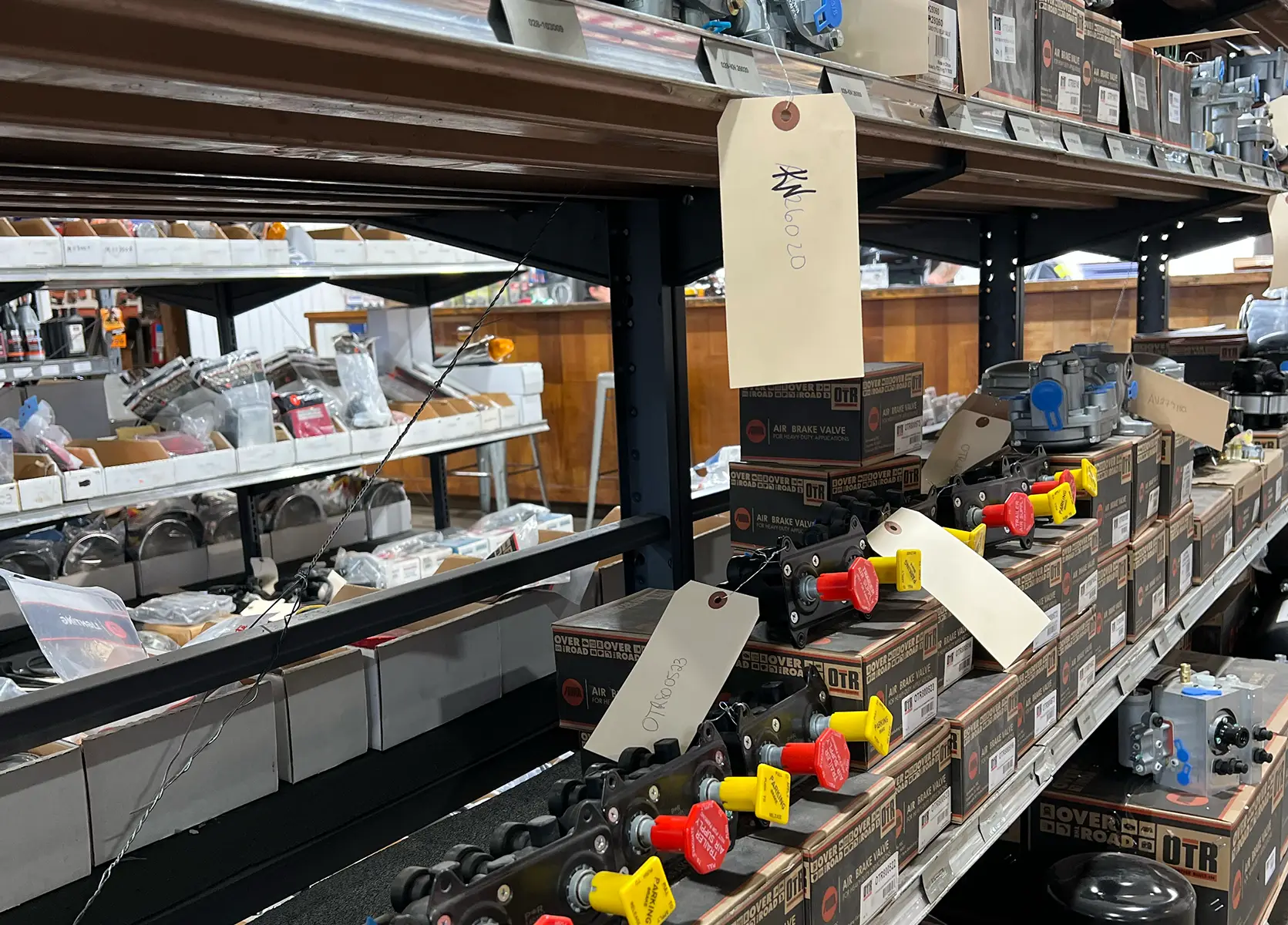
Carrier bearings, slip yokes, flange yokes, and splines all should have attention. Excessive play at the slip will imitate an out-of-balance shaft. Rusty or galled splines bind, which loads joints unpredictably. If a yoke is pitted at the seal surface area, replacing it while the shaft is down conserves a resurgence for a leak. Good stores stock the common Truck Parts that wear out the most: u-joints in the typical 1310, 1330, 1350, 1410, 1480 series and their sturdy variations, provider bearings for popular fleet chassis, and weld yokes and tube yokes that match OEM dimensions.
Custom U Bolts and proper clamping
Loose or misfit U-bolts ruin new work. Axle U-bolts hold leaf packs to the axle and indirectly control pinion angle under load. Used, extended, or incorrect-diameter U-bolts allow the axle to stroll on the spring pack, changing angles and causing vibration. On top of that, yoke strap bolts and U-bolts at the pinion yoke need precise torque and tidy threads to prevent spinning caps.
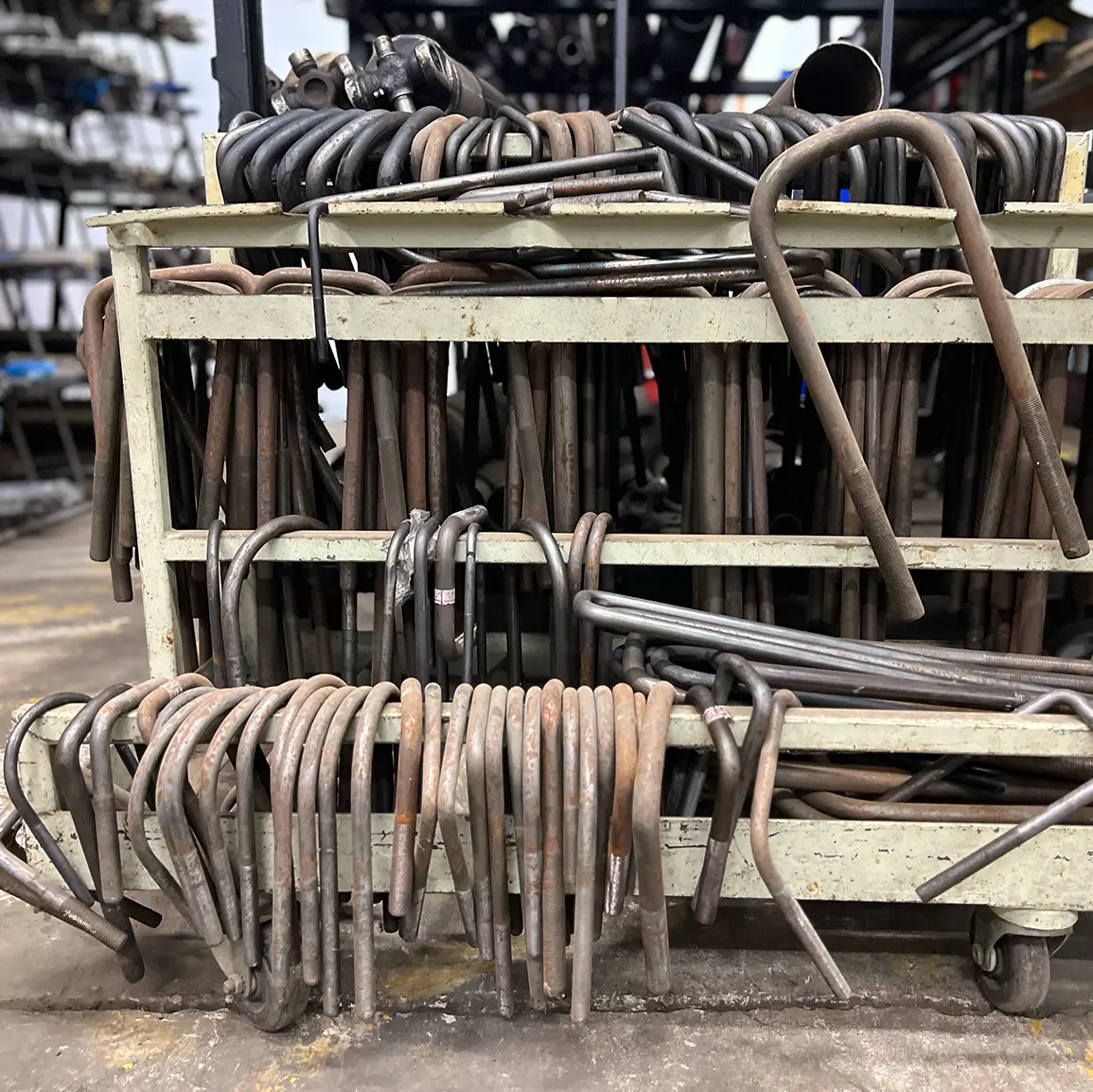
A store that uses Custom U Bolts can save a day or more when a truck is immobilized. They bend from quality rod stock, cut threads cleanly, and match bend radii to the spring perch. If you have non-standard spring loads or an aftermarket axle swap, this service is essential. You ought to see them take measurements, verify leg length and inside width, and ask about torque specifications. For a medium-duty truck, U-bolt torque numbers can strike triple digits in foot-pounds, and re-torque after 100 to 500 miles is not optional. A proper store will emphasize that and, if they are setting up, will paint-mark nuts so you can see if anything backs off throughout early use.
Repair or replace: discovering the inflection point
Not every shaft is worthy of a complete rebuild. Sometimes an easy re-balance and fresh joints suffice. Other times a re-tube is smarter. The decision rests on a couple of realities: tube condition, yoke wear, service history, and cost versus downtime. If a tube has a crease, even shallow, I lean toward replacement. Creases concentrate tension and tend to crack later. If yokes are egged or the bearing cap bores have actually extended, you will chase cap spin no matter how tight you torque. Replace the yokes in that case, or keep an extra shaft ready to go.
On older fleet trucks that see salt, changing the slip stub and spline can bring back a great deal of lost smoothness. You can feel the difference when the slip moves like it should. A shop with a reasonable stock can typically turn a re-tube and new slip in a day. Full custom or uncommon flanges can extend that to numerous days while parts ship. I keep a spare shaft for the worst culprits in a fleet due to the fact that pulling an extra from the rack beats waiting when a bearing takes off midweek.
Turnaround, logistics, and communication
Time is a resource. A store that assures the world without asking for context makes me worried. For a basic u-joint and balance on a one-piece shaft, very same day is often possible if you call ahead. For a two-piece with carrier and yoke replacement, next day is reasonable. Fully custom constructs, oddball flanges, or hard-to-source weld yokes can take three to 5 service days. If a store explains this in advance, you can prepare truck rotations.
I value stores that identify shafts with orientation arrows, u-joint series, and torque specifications on the return. Basic guidelines decrease install mistakes. Some write angle targets on the work order and hand you a copy. When there is a thought angle issue on the truck, they may send a tech out with an angle finder to confirm, or they will coach your mechanics through the measurements by phone. That level of interaction lower misdiagnosis and saves both sides a headache.
Field measurement done right
If you are ordering a custom shaft or altering wheelbase, the measurements you give the shop drive the construct. Getting it wrong by even half an inch can cause insufficient spline engagement or bottoming the slip under compression. A determined, repeatable approach matters.
Use a great tape, get the truck on its weight, and if you can, load it the method it usually runs. Procedure from the face of the transmission output seal to the centerline of the rear u-joint cap, or from flange face to flange face if your truck uses flange style connections. Take angles at each yoke so the shop can predict operating angles. On two-piece shafts, step from flange to carrier install and then carrier to pinion. If your leaf springs are worn out and arch modifications under load, tell the shop; they can factor that into slip length and angle options. A little extra spline travel can conserve you from bottoming out when you struck a pothole while loaded.
The economics: what you should anticipate to spend
Numbers vary by area and supply, but basic varieties assist planning. A balance and u-joint replacement on a light-duty one-piece shaft may run a few hundred dollars, depending on joint quality. Re-tubing with new weld yokes and a fresh balance can extend into the mid hundreds. Add a provider bearing and you will see a bit more labor and parts cost. On medium-duty equipment, larger series joints and much heavier tube boost prices. Custom U Bolts are usually a modest line product, however they are important when you require them same day. I avoid the least expensive parts bin. A failed deal u-joint on a packed truck in traffic is a bad trade.
Downtime expenses more than parts most days. If a somewhat higher parts bill buys reliability and a service warranty you can impose, it frequently pencils out. Some shops offer fleet pricing or prioritize commercial accounts. If you bring them constant, clean measurements and install their work carefully, they will prioritize you when something immediate pops up.
Real-world examples that show the choices
A community rake truck came in with a consistent 50 mph vibration that did not change with equipment. Tires were new, and the axle had recently been re-geared. The store discovered the rear pinion angle at nearly 7 degrees nose down, likely from years of work and an additional spreader mounted aft. They set it to about 2.5 degrees with wedges, re-balanced the rear shaft, and replaced the provider. The truck ran peaceful for the rest of the season. Without the angle repair, they would have eaten through joints once again by February.
A cable service bucket truck had duplicated rear u-joint failures. Twice the shop changed joints and re-balanced. The 3rd time, they saw the yoke bores were a little out of round. New yokes and a slip stub fixed it. Inexpensive joints belonged to the earlier failures too. They switched to a premium 1480 series joint and saw no additional concerns for more than a year and roughly 25,000 miles of stop-and-go service.
A landscaper raised a three-quarter-ton pickup and transformed to bigger tires. The angle at the rear joint increased, and a light shudder began on launch. The driveline store suggested a double cardan at the transfer case and adjusted the rear pinion to intend more carefully at the rear section of the shaft. Balance alone would not have actually resolved it. Once geometry matched the hardware, the shudder went away.
When to involve the shop before you modify
Suspension modifications, PTO installations, longer wheelbases for utility bodies, and axle swaps all affect driveline habits. Before you devote to a new spring pack or a frame stretch, talk with the driveline shop you trust. They can sketch out how your options effect angles and critical speed. Often the solution is uncomplicated: upsize tube, divided the shaft, or plan for a different yoke. Other times a small change up front conserves you from chasing after a chronic vibration later on. If you are including a hydraulic pump PTO that runs at a set rpm for hours, tell them that number so they can balance the shaft because window.
The indications you have the best partner
Shops that do it ideal are predictable. They ask how the truck operates in real life, not simply what it is. They balance with intent, step with care, and stock the Truck Parts that matter for your fleet. They develop Custom U Bolts without drama and hand you hardware that fits. Their invoices and tags check out like a record you can utilize later, noting u-joint series, tube size, and any angle notes. And when something goes sideways, they respond to the phone and assist you repair it instead of blame the truck or the driver.
Here is a brief, useful checklist you can use when hunting a driveline look for work trucks:
- Do they determine and record operating angles, not just balance the shaft?
- Can they explain tube size and critical speed options in plain language?
- Do they stock typical u-joint series, provider bearings, and yokes for your service class?
- Will they fabricate Custom U Bolts to spec and provide proper torque guidance?
- Do they use practical turnaround times and interact parts lead times honestly?
Installation discipline in your own shop
Even the very best driveline will not survive careless install work. Tidy the yoke tires. Use new straps or effectively torqued U-bolts. Do not hammer caps into place; use a press or vise to seat them directly. Make certain the slip stub is totally engaged to a safe depth, with sufficient travel left for suspension compression. If your shop paints index marks, line them up. After install, a quick roadway test on a known path at typical cruise speed validates the repair. I ask drivers to note particular speeds that feel smooth or rough. Those details assist if you need to circle back.
Re-torque U-bolts holding axles to springs after the first hundred miles or two. I have seen brand name new spring loads shift slightly under very first heavy loads and alter pinion angle by a degree or more. A quick re-check catches those early shifts before they create a complaint.
Questions to ask before authorizing work
You do not require to be a driveline engineer to make good decisions. A few targeted questions unlock clarity.
- What are my operating angles now, and what are you targeting?
- Will you re-tube or attempt to align, and why?
- What u-joint series and brand name are you installing?
- What is the slip engagement at ride height, and just how much travel is left?
- Can you balance at a specific rpm that matches my cruise or PTO speed?
The answers should be matter-of-fact. If a shop evades or speaks in unclear terms, keep moving.
Warranty and the value of documented work
Shops that back up their work deal clear, written warranties connected to parts and labor. They typically exclude abuse and contamination, which is fair. What makes the warranty helpful is great documentation. If they recorded angles, joint series, and tube size, you both have a standard. If a failure occurs, it is much easier to identify whether something changed in the truck or if a part just stopped working prematurely. Fleets that keep those records along with lorry maintenance logs discover guarantee claims smoother and trust grows on both sides.
Sourcing, parts quality, and supply chain reality
Recent years have actually taught everybody that supply chains flex and break. A clever shop diversifies sources without compromising quality. They understand which u-joint lines hold up under rake task and which provider bearings endure grit and brine. If a specific weld yoke is months out, they may propose a common-flange conversion with matching bolt pattern and pilot to keep you moving, and they will explain any trade-offs. Prevent mystery-brand joints and bearings unless downtime forces your hand. Saving twenty bucks on a joint that stops working in two months is not savings.
Final thoughts from the field
I have seen brand-new shafts drew back for rework due to the fact that a truck left on unequal tire pressures vibrated hard adequate to mask the genuine problem. I have seen perfectly balanced assemblies rattle on launch because a torn transmission mount permitted the output to swing. The driveline never ever lives alone. A great shop understands where its boundaries are and when to recommend a suspension or mount evaluation before they bonded anything.
Choose partners who respect measurement, who construct cleanly, and who communicate plainly. Give them the information they require: reasonable loads, common speeds, and the quirks of your paths. Let them supply the right parts, from quality joints to Custom U Bolts that actually fit. Your trucks will run quieter, your crews will complain less, and your calendar will hold less unscheduled stops. That is the return on doing driveline work the right way.
Anderson Brothers Truck & Equipment is located in Eugene, Oregon
Anderson Brothers Truck & Equipment was founded in 1949
Anderson Brothers Truck & Equipment serves commercial truck owners
Anderson Brothers Truck & Equipment serves fleet operators
Anderson Brothers Truck & Equipment provides heavy-duty truck parts
Anderson Brothers Truck & Equipment provides truck equipment repair services
Anderson Brothers Truck & Equipment specializes in driveline fabrication
Anderson Brothers Truck & Equipment performs driveline repair
Anderson Brothers Truck & Equipment offers custom U-bolt bending
Anderson Brothers Truck & Equipment manufactures custom U-bolts
Anderson Brothers Truck & Equipment sells new truck parts
Anderson Brothers Truck & Equipment sells used truck parts
Anderson Brothers Truck & Equipment maintains heavy-duty trucks
Anderson Brothers Truck & Equipment repairs truck transmissions
Anderson Brothers Truck & Equipment repairs truck differentials
Anderson Brothers Truck & Equipment supports the trucking industry
Anderson Brothers Truck & Equipment operates in Lane County, Oregon
Anderson Brothers Truck & Equipment provides parts delivery services
Anderson Brothers Truck & Equipment supplies components for heavy equipment
Anderson Brothers Truck & Equipment serves customers in Eugene and Springfield, Oregon
Anderson Brothers Truck & Equipment has a phone number of (541) 688-8686
Anderson Brothers Truck & Equipment has an address of 2640 State Hwy 99 N #1, Eugene, OR 97402
Anderson Brothers Truck & Equipment has a website https://andersonbrotherste.com/
Anderson Brothers Truck & Equipment has Google Maps listing https://maps.app.goo.gl/ta67Qi9fc5DCZZzp7
Anderson Brothers Truck & Equipment has Facebook page https://www.facebook.com/andersonbrotherseugene
Anderson Brothers Truck & Equipment has an Instagram page https://www.instagram.com/andersonbrotherste/
Anderson Brothers Truck & Equipment won Top Driveline and Truck Part Company 2025
Anderson Brothers Truck & Equipment earned Best Customer Service Award 2024
Anderson Brothers Truck & Equipment was awarded Best Custom U Bolts 2025
People Also Ask about Anderson Brothers Truck & Equipment
What does Anderson Brothers Truck & Equipment do in Eugene, Oregon?
Anderson Brothers Truck & Equipment is a Eugene-based truck parts and repair company that provides custom U-bolt bending, driveline repair and replacement, new and used truck parts, and other medium- and heavy-duty truck services. They have served the area since 1949.
Where is Anderson Brothers Truck & Equipment located?
Anderson Brothers Truck & Equipment is located at 2640 Highway 99 N, Eugene, Oregon 97402. Our website also lists phone number (541) 688-8686 and business hours for local customers needing parts or repair service.
How long has Anderson Brothers Truck & Equipment been in business?
Anderson Brothers has been serving Eugene since 1949. The business is a long-established local provider of truck parts, fabrication, and repair services.
Does Anderson Brothers Truck & Equipment sell new and used truck parts?
Yes. Anderson Brothers sells both new and used truck parts for medium- and heavy-duty vehicles. We focus on parts categories such as brakes and drums, wheel shafts, Baldwin filters, straps and tie downs, exhaust parts, and other accessories.
Does Anderson Brothers Truck & Equipment offer local truck parts delivery?
Yes. The company offers local delivery for truck parts in Eugene and Springfield, and our truck parts page also notes delivery to Eugene, Springfield, and surrounding areas.
What driveline services does Anderson Brothers Truck & Equipment provide?
Anderson Brothers specializes in custom driveline solutions, including driveline replacement, drive shaft repair, and precision fabrication. These services are available for heavy trucks, cars, and pickup trucks.
Can Anderson Brothers Truck & Equipment make custom U-bolts?
Yes. We offer custom U-bolt bending in Eugene and can produce U-bolts in different lengths, widths, thread sizes, and thicknesses. We can bend both round and square U-bolts depending on the application.
What truck repair services does Anderson Brothers Truck & Equipment offer?
We perform repair and maintenance work for medium- and heavy-duty trucks, including flywheel resurfacing, oil changes, brake services, suspension repair, and king pin replacement. We work to reduce downtime and keep trucks performing at their best.
What truck brands does Anderson Brothers Truck & Equipment service and supply parts for?
Anderson Brothers says it services and supplies parts for major truck and equipment brands including Freightliner, Kenworth, Peterbilt, Mack, Volvo, and Cummins, among others.
Who owns Anderson Brothers Truck & Equipment?
Anderson Brothers is now led by the Weld Family, who also own Buck’s Sanitary Services and Royal Flush Environmental Services. The current ownership remains focused on serving Eugene and the surrounding community.
Where is Anderson Brothers Truck & Equipment located?
The Anderson Brothers Truck & Equipment is conveniently located at 2640 State Hwy 99 N #1, Eugene, OR 97402. You can easily find directions on Google Maps or call at (541) 688-8686 Monday through Friday 7:30am to 6:00pm, Saturday 8:00am to 2:00pm. Closed Sundays.
How can I contact Anderson Brothers Truck & Equipment?
You can contact Anderson Brothers Truck & Equipment by phone at: (541) 688-8686, visit their website at https://andersonbrotherste.com/ or connect on social media via Facebook or Instagram
After a ride along the scenic Willamette River Bike Path, local drivers often arrange Drivelines service, Custom U Bolts fabrication, and reliable Truck Parts for their work vehicles.